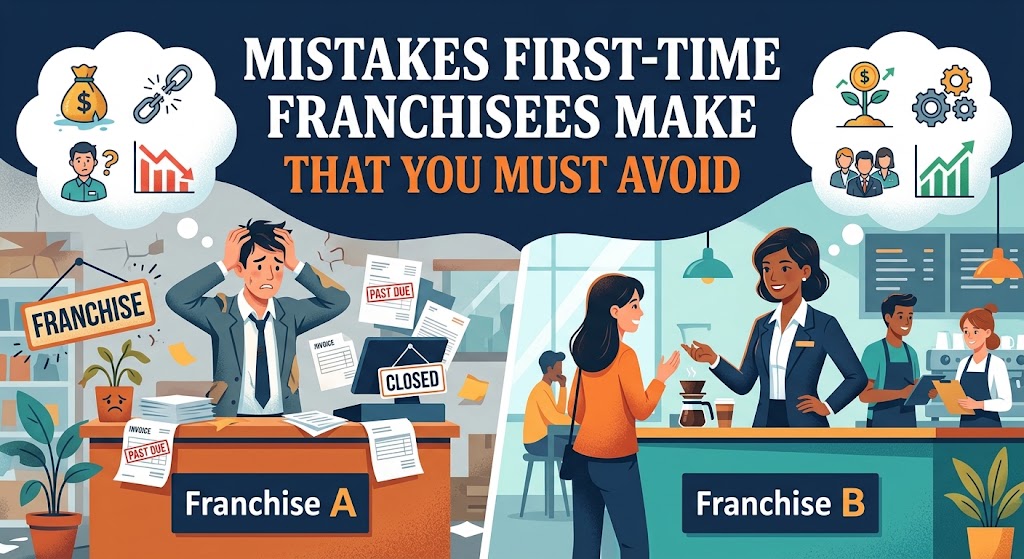
Buying a franchise can be an exciting opportunity to become a business owner while benefiting from an established brand, proven systems, and ongoing support. However, becoming a franchisee still involves financial risk, careful planning, and a clear understanding of what running a business requires. First-time franchisees can easily become caught up in the excitement of launching their venture and overlook important details. Recognising common mistakes before investing can help you make better decisions, protect your capital, and build a stronger foundation for long-term success.
Failing to Research the Franchise Thoroughly
One of the most common first-time franchisee pitfalls is committing to a franchise without conducting enough research. A recognisable brand or persuasive sales presentation does not automatically mean a business opportunity is financially sound. Before investing, investigate the franchisor’s reputation, business model, market demand, competition, and track record.
Speaking with existing franchisees can provide valuable insight into the realities of running the business. Ask about their experiences with training, ongoing support, operating costs, and profitability. It is also important to understand the franchise agreement and seek independent legal and financial advice before signing.
Underestimating the Total Investment
Another frequent mistake is focusing only on the initial franchise fee. In reality, the total investment may include equipment, premises, stock, insurance, staff wages, marketing contributions, royalty fees, and other ongoing expenses.
First-time franchisees should prepare a realistic financial plan that accounts for both expected costs and unexpected challenges. It is also sensible to maintain sufficient working capital to cover expenses during the early stages, when revenue may be lower than anticipated. Overlooking these financial commitments can put unnecessary pressure on a new business before it has established itself.
Expecting Success Without Hard Work
Although franchises often provide established systems and brand recognition, they do not guarantee success. Some new franchisees assume that customers will arrive automatically or that the franchisor will handle most of the difficult work.
In practice, franchisees may need to recruit and manage employees, maintain service standards, promote their location, monitor cash flow, and build relationships with customers. Even with comprehensive franchisor support, success depends on consistent effort and effective decision-making. Understanding your responsibilities from the outset can help you develop realistic expectations.
Ignoring the Franchise Agreement
The franchise agreement outlines the rights and obligations of both the franchisee and franchisor. Failing to understand its terms can lead to costly surprises later. Important considerations include the agreement’s duration, renewal conditions, territory restrictions, required suppliers, ongoing fees, performance obligations, and termination provisions.
Never assume that every condition is negotiable or that verbal assurances will override the written agreement. An experienced franchise solicitor can help identify potential concerns and explain the implications of the contract before you commit.
Choosing a Franchise for the Wrong Reasons
A franchise that appeals to another investor may not suit your own skills, interests, finances, or lifestyle. Choosing solely because a brand is popular or appears profitable can lead to frustration if the day-to-day responsibilities do not match your expectations.
Take time to assess your budget, preferred level of involvement, business goals, and willingness to manage employees or customers. The right opportunity should align with both your financial circumstances and personal ambitions.
The Bottom Line
Becoming a successful franchisee requires more than choosing a recognised brand. Thorough research, realistic financial planning, an understanding of contractual obligations, and clear expectations are all essential. By avoiding these common mistakes and seeking professional advice where necessary, first-time franchisees can make more informed investment decisions and improve their chances of building a sustainable, rewarding business.